Venues

Welcome to Mexico

Tecnológico de Monterrey

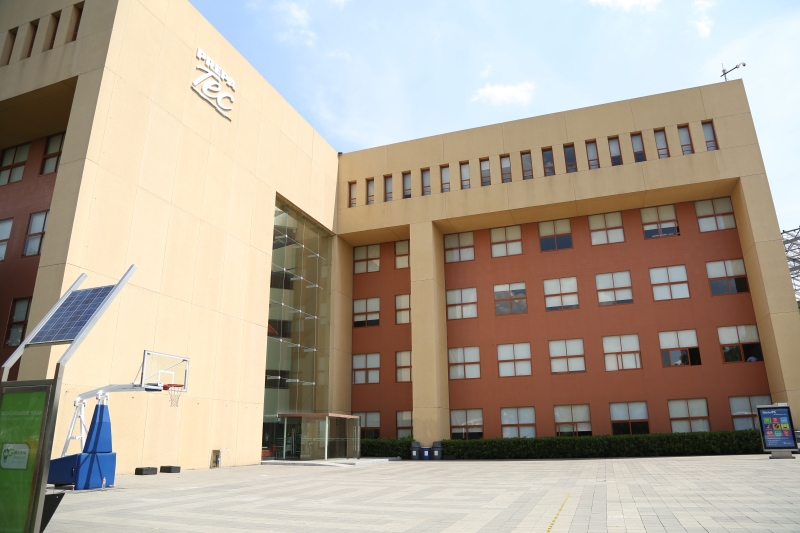
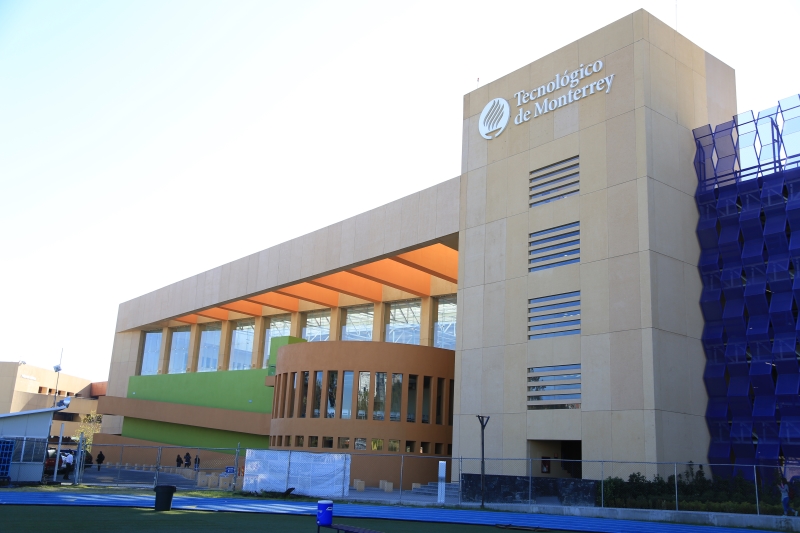
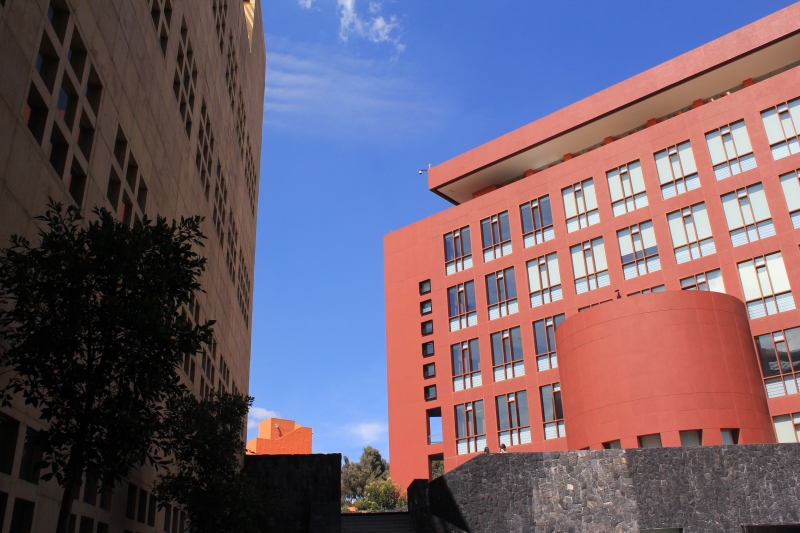
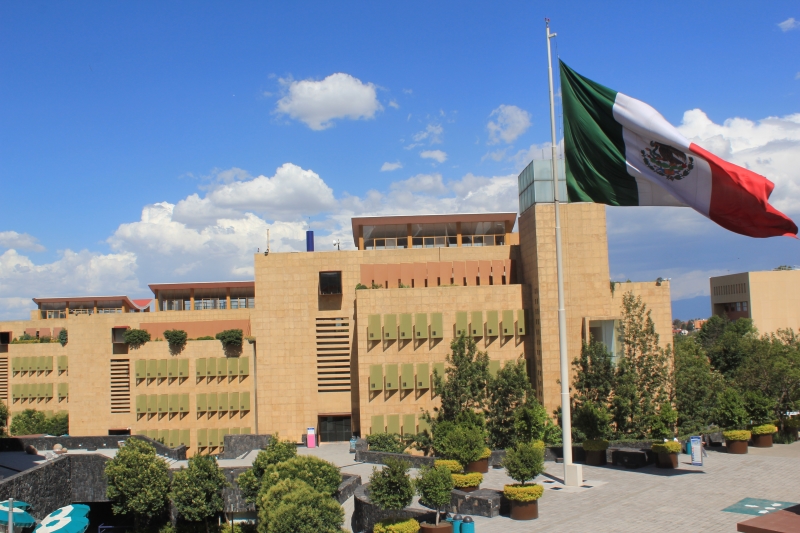
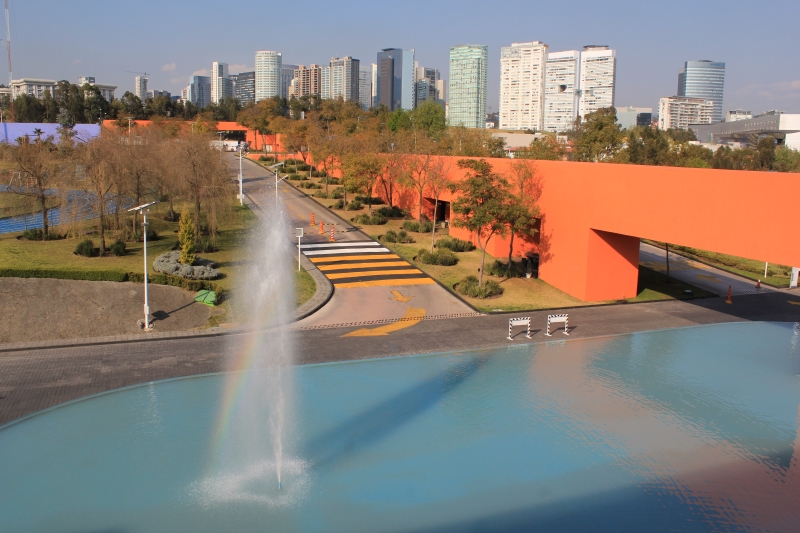
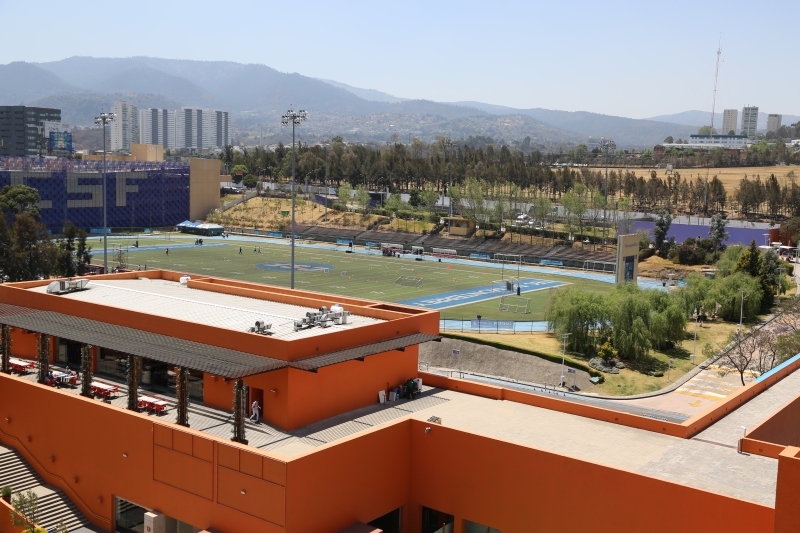
Located in Mexico City’s leading business district, the Monterrey Institute of Technology and Higher Education, Santa Fe Campus, will be hosting the tournament’s preliminary rounds.

Built in 2001, the campus was designed by Ricardo Legorreta Vilchis, one of Mexico’s most prominent architects; it features a cafeteria called “La Fuente”, a Bloomberg business center, a Gesell camber for marketing research, a library holding more than 53,000 books, an auditorium, a variety of laboratories for mechanics, IT, electronics, manufacture, physics, and chemistry.

Academically, the campus offers high school programmes (bicultural, international and IB), undergraduate degrees in Social Sciences, Finance and Engineering (each with their own student association that bring to the campus international conferences, seminars and recreational activities to further aid in the formation of the alumni), as well as postgraduate degrees which include short-specialty courses and masters in Administration, Finance and Marketing.

As a university, Tec de Monterrey is also aware that culture and sports play an important role in the development of individuals; in that spirit, the campus offers a variety of activities such as music, dance, theater, literature and also has sports facilities such as a full-sized football field, tennis, basketball and volleyball courts, a running track, and a gym.

All of this makes the Santa Fe Campus the ideal setting for the preliminary rounds of WUDC Mexico 2018.

Welcome!


Address:

Av. Carlos Lazo No. 100
Santa Fe, C.P. 01389
Del. Álvaro Obregón
Mexico City


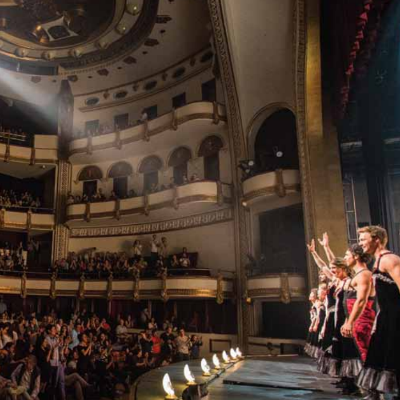
All of the finals for each of the events and divisions of WUDC México 2018 will take place (13:00-20:00 on January 3rd, 2018) at the Teatro de la Ciudad Esperanza Iris.

Located in the heart of Mexico City’s Historic Center, Teatro de la Ciudad Esperanza Iris has 99 years of extraordinary history as one of the most important stages in the world; it is the oldest performance venue in Mexico City.

It was May 25th 1918 when this majestic venue opened and since then, this architectural gem listed as a World Heritage Site by UNESCO, has hosted great figures of the performing arts as Enrico Caruso (Italy), Anna Pavlova (Russia), Maria Conesa (Spain), Giacomo Rimini (Italy), Titta Ruffo (Italy), Leopold Godowsky (Poland) and Plácido Domingo (Spain). Its architecture is considered one of the most representative neoclassical monumental works of art in Mexico.

Address:

Donceles 36
Centro Histórico, 06000
Centro
Mexico City


The Champions’ Dinner (21:00-23:00 on January 3rd, 2018) of WUDC México 2018 will be held at the Antiguo Colegio de San Ildefonso..

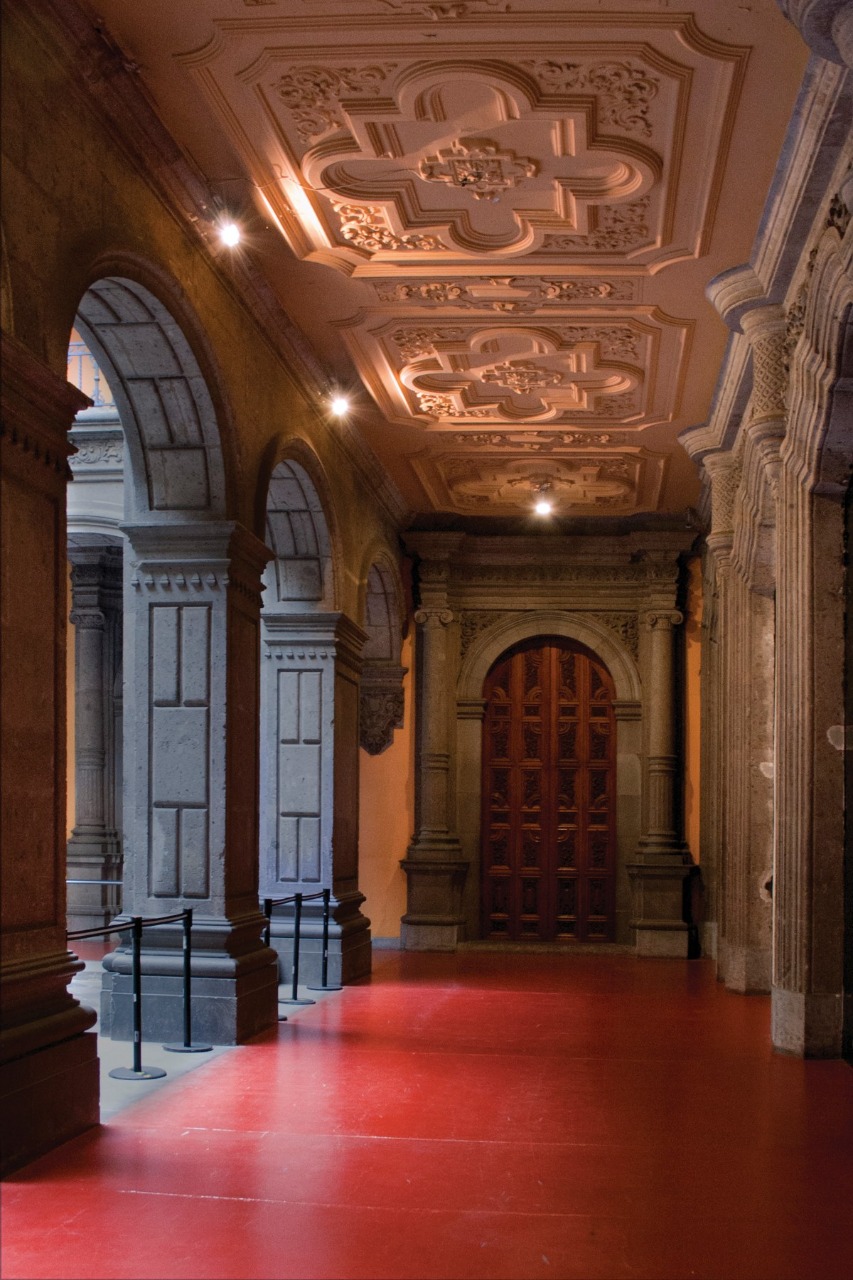
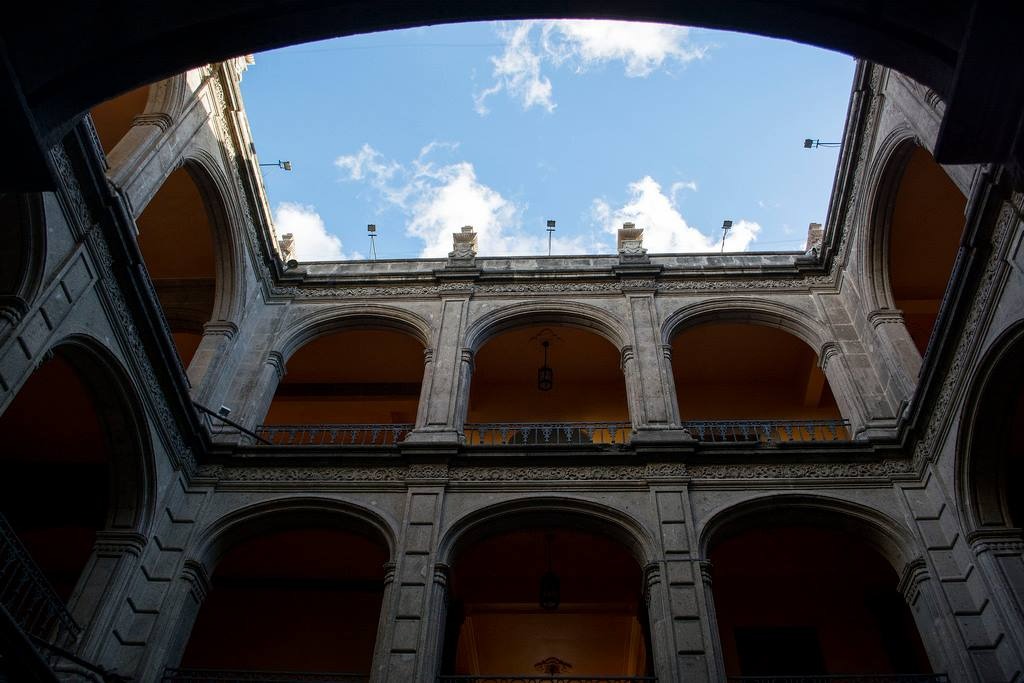
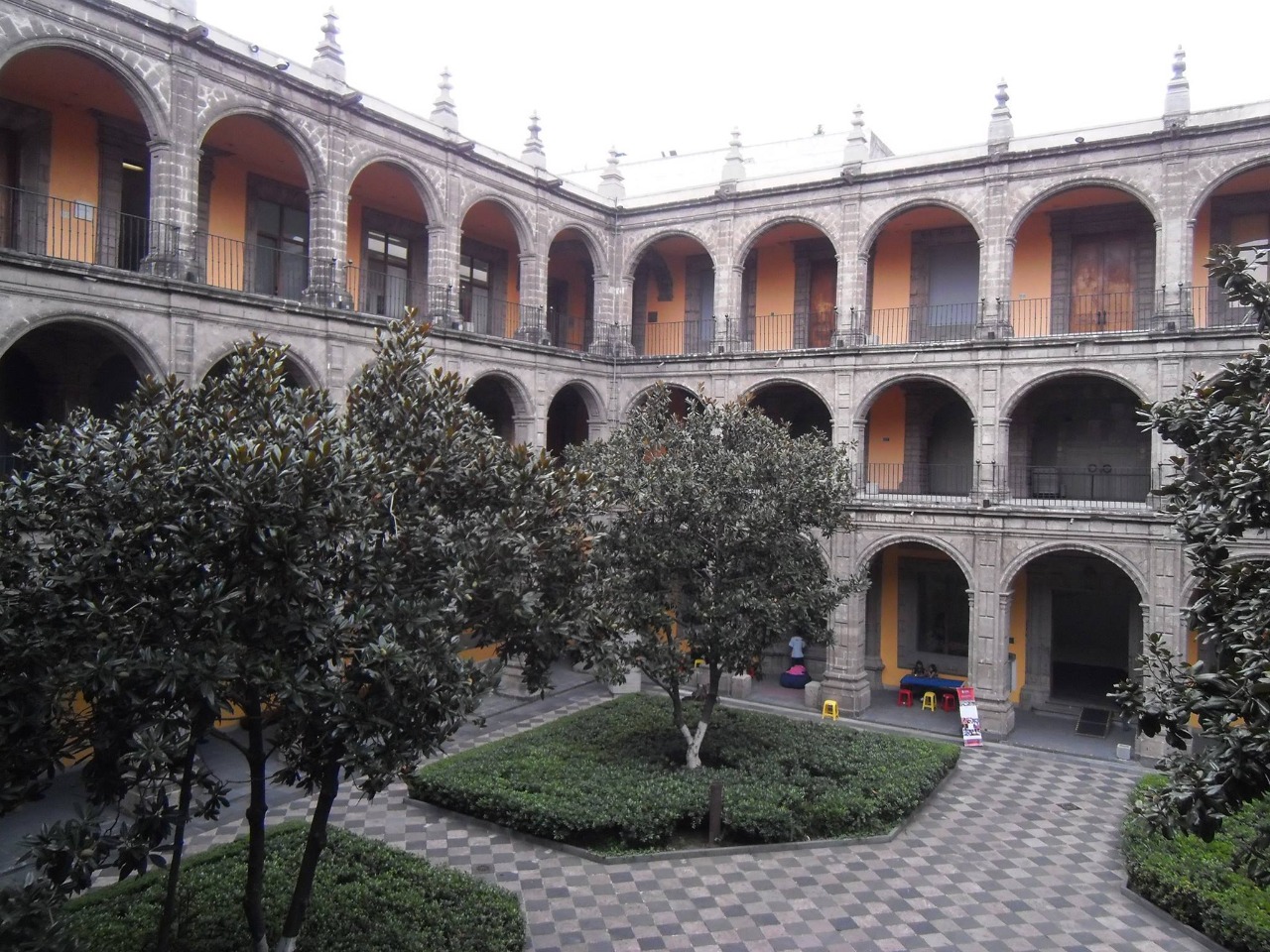
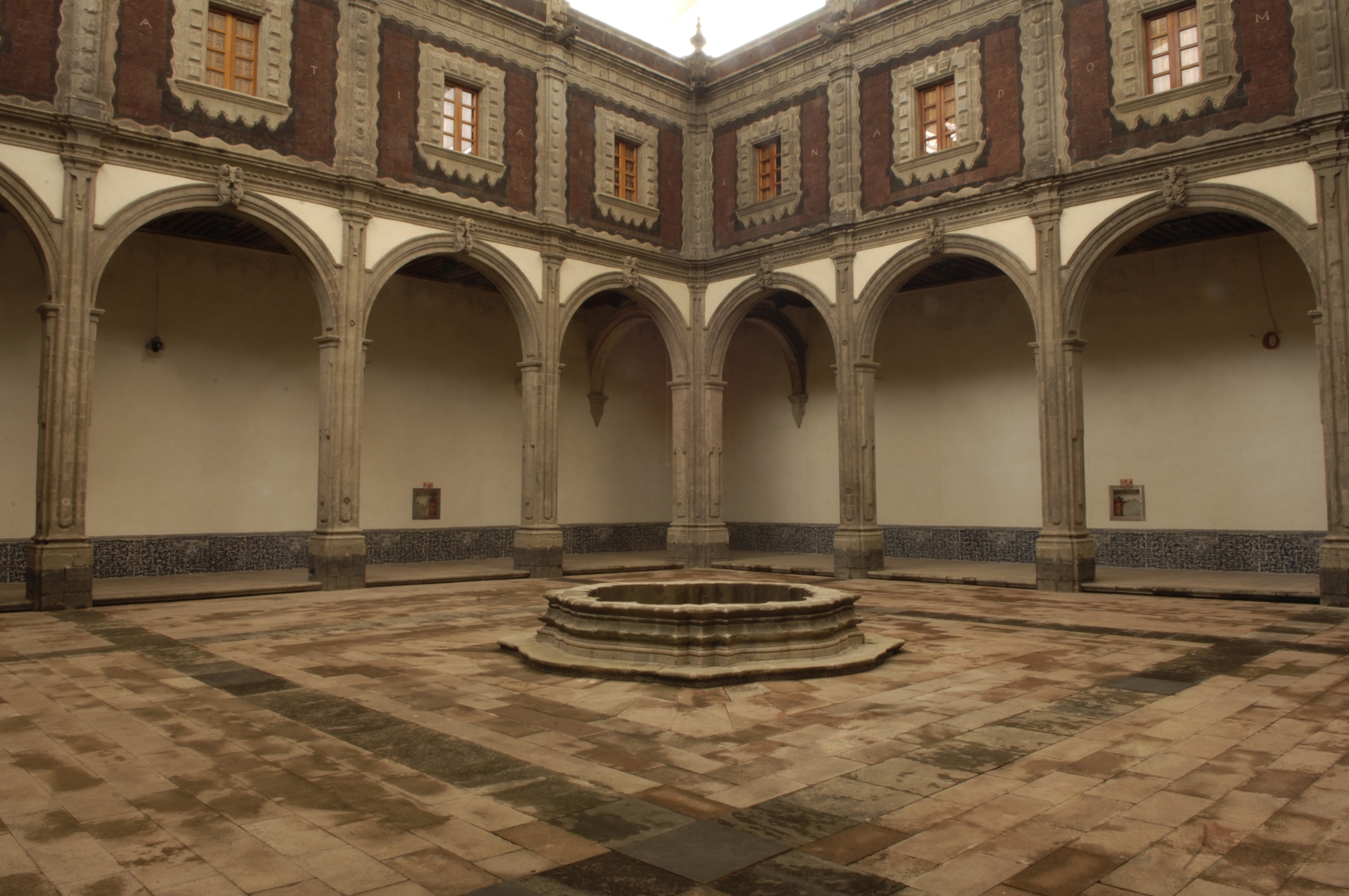
Founded as a Jesuit college in the late 16th century and then refurbished into the building weknow today in the first four decades of the 18th century, the Antiguo Colegio de San Ildefonso is one of the finest example of baroque architecture in Mexico City. After the expulsion of the Jesuits in 1767, the building was repurposed for various different functions.

The college became the Escuela Nacional Preparatoria (ENP) under Benito Juarez’s government in 1867. In 1910, the ENP became a part of the National University of Mexico (which would eventually become the Universidad Nacional Autónoma de México [UNAM] that currently exists) and continued serving as a school until 1980 when it closed to the public until 1992. In this year, the college was reopened to the public on the occasion of a museum exhibition called “México, Esplendores de 30 Siglos” and became at the same time a museum run by the UNAM, the Secretary of Culture and the Government of Mexico City which endures till the present day.

Address:

Justo Sierra 16
Centro Histórico, 06020
Centro
Mexico City


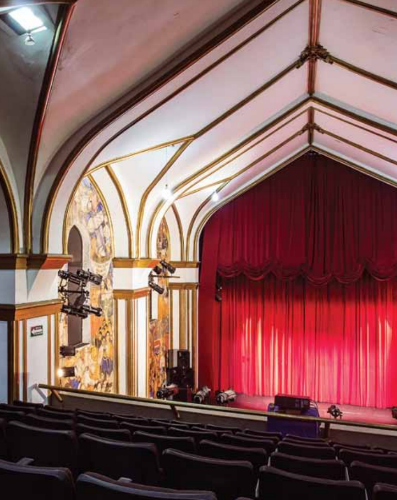
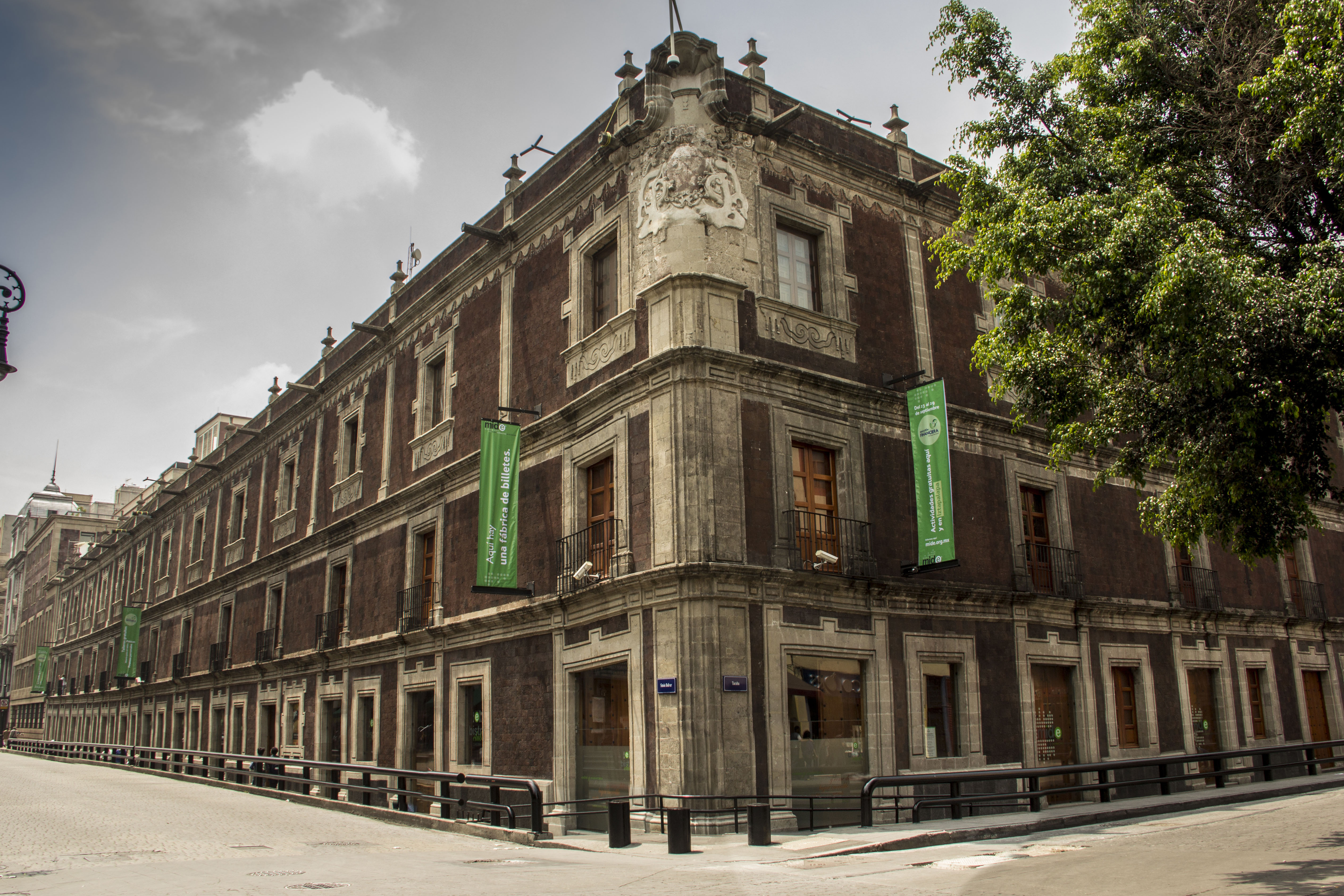
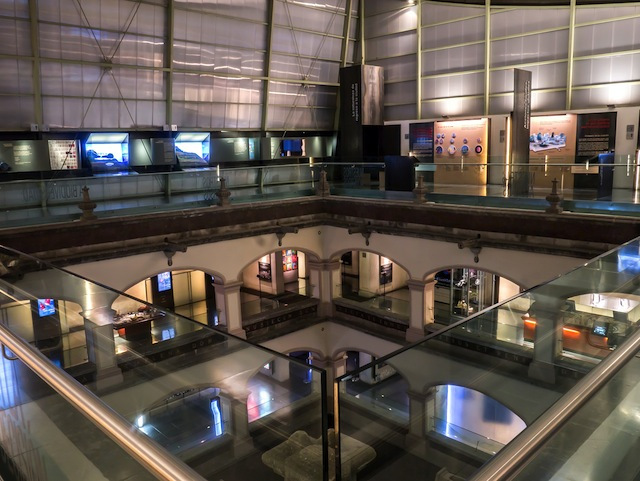
Gender Inclusion Night (19:00 on December 30 th , 2017) at WUDC México 2018 will behosted at the Museo Interactivo de Economía (MIDE), which is housed in the formerconvent of the Bethlemites (Antiguo Colegio de los Betlemitas).

The building of the former convent dates its construction back to the 18 th century, and eventually came to occupy an entire city block. In 1820 the king of Spain announced the withdrawal of the Order of the Bethlemites, consequently, the convent building was repurposed and split up into different parts. One of the more notable refurbishments of the former convent was the Santa Anna Theatre (later on called the Teatro Nacional) where the Mexican national anthem would be sung for the first time. At the beginning of the 20 th century, the theatre is demolished to give way to the 5 de Mayo Street which reaches the Alameda. For most of this century what remained of the building would be mostly used for residential or commercial purposes. In the 90s, the Bank of Mexico (Banco de México) buys from three different owners the properties in which the building had been divided and begins a restoration process under the supervision of the Instituto Nacional de Antropología e Historia (INAH). Once the restoration was completed, the Bank of Mexico ceded the building to the MIDE, the first museum in the world to dedicate itself to the economy, finances, and sustainable development.

Address:

Calle de Tacuba 17
Centro Histórico, 06000
Centro
Mexico City


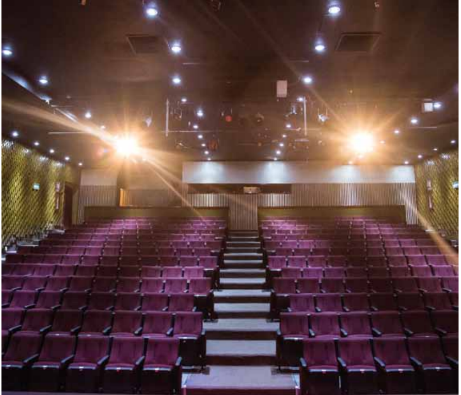
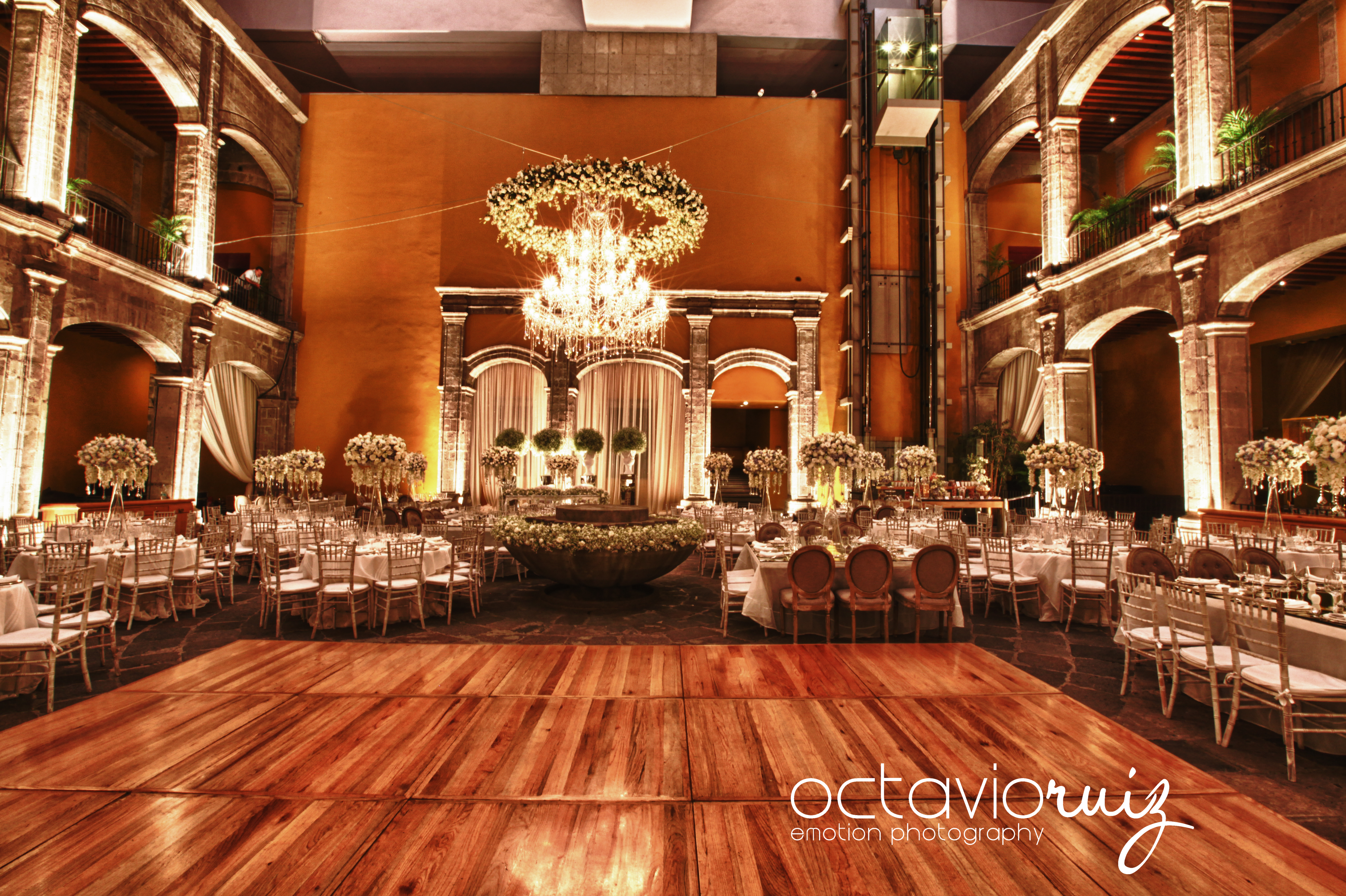
The Countries’ Night (21:00-23:00 on December 29th, 2017), octofinals, quarterfinals, and EFL and ESL semifinals (9:00-19:00 on January 2nd, 2018) of WUDC México 2018 will be held at the Bankers’ Club of Mexico (Club de Banqueros de México).

The Bankers’ Club of Mexico, A. C., is housed in a magnificent building founded in 1548 in Mexico City’s Historic Center. It is located on the corner of 16 de Septiembre and Bolivar streets and was founded as the first school for mestiza (“half-breed”) girls in Latin America.

Three centuries later, the complex problems faced by the nation had produced the Reform Laws. Based on these, the government put the building and its church up for sale, in spite of it having been the most traditional school in Mexico and the oldest in Hispanic America. The academic building, by then sub-divided, became the German Casino at the end of the 19th century.

At the beginning of the 20th century, the Presidency of the Republic decided that Mexico City required an outstanding theater. Therefore, the 9th of June, 1909, President Porfirio Diaz inaugurated the luxurious Colon Theater, in what had once been the school, with the opera “Carmen”. It remained a theater until 1934 when it was turned into the famous Imperial Cinema.

Then the building remained abandoned for a few years. In 1990, the Mexico Association of Bankers along with the Bankers’ Club of Mexico took over its restoration under the tutelage of architect, Ricardo Legorreta, giving Mexico back one of its most noble buildings.

On October 17, 1994, the Bankers’ Club of Mexico opened the doors of this renewed building to offer its space for its members and friends.

Address:

16 de Septiembre 27
Centro Histórico, 06000
Centro
Mexico City